
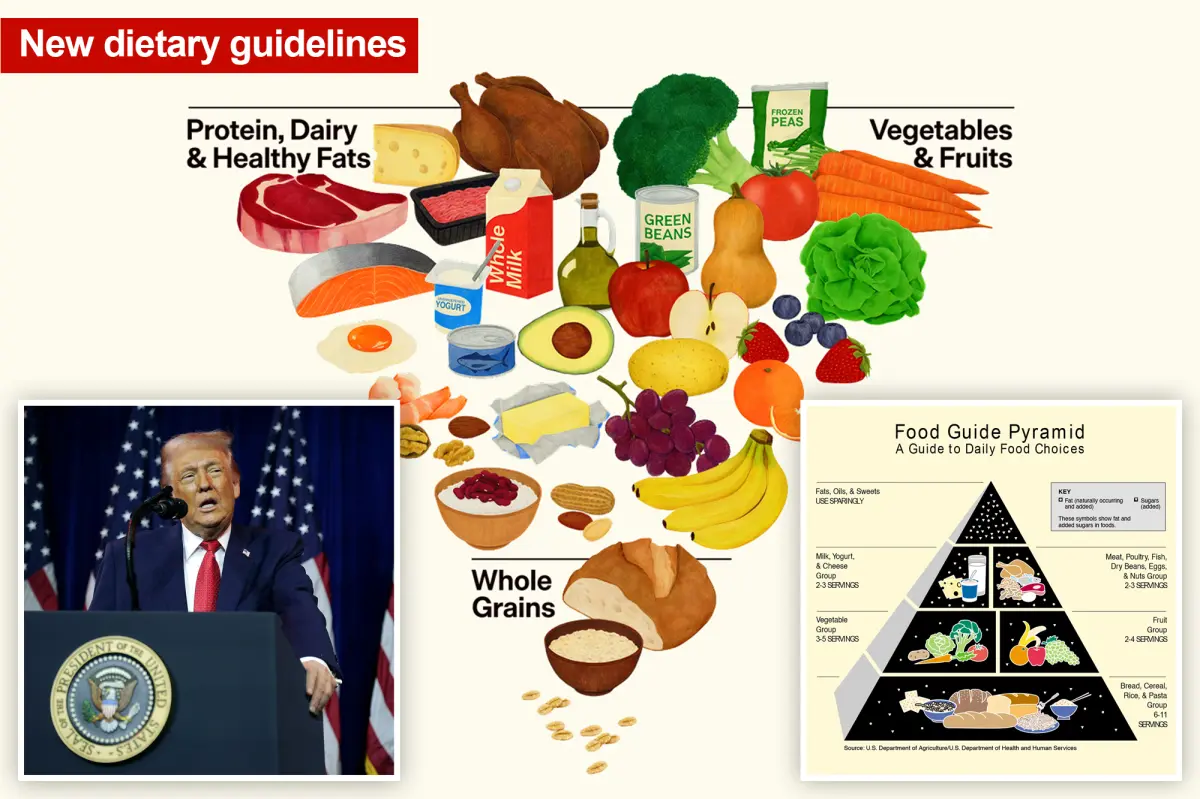
The U.S. government just turned 40 years of nutrition guidance on its head.
Meat, dairy, and healthy fats now sit at the top of the pyramid. Grains—the foundation of dietary advice since the Reagan era—got demoted to the bottom. After decades of "eat less fat, more grains," the official guidance does a complete 180.
Big news. But will anyone actually change what they eat?
We ran a synthetic research study to find out.
The Study
Participants: 10 American consumers, ages 21 to 65, from across the country
Method: Synthetic research using AI-powered digital twins calibrated against population-level data
Time to results: Under 15 minutes
We asked three questions: What's your first reaction to this change? Does this make you trust government nutrition guidance more, less, or about the same? How likely are you to change what you eat in the next three months?
What We Found
Immediate Skepticism
Not curiosity. Skepticism. The phrase "lobby-shaped" appeared more than once. Consumers aren't reading this as science catching up with reality. They're reading it as politics and industry influence wearing a lab coat.
"It smells like politics and lobbyists in a lab coat."
"Meat and dairy at the top like a parade car makes me think cattle and dairy money got loud."
Trust Went Down, Not Up
The reversal didn't signal progress. It signaled uncertainty. If guidance can flip completely every few decades, what's it actually based on?
"If guidance can do a 180 every decade, it reads like committees protecting past mistakes, not helping people eat."
"Less trust. Not because change is bad, but because this flip feels like theater instead of clarity."
Almost Nobody Plans to Change
The overwhelming response: "My plate stays my plate."
People who already eat vegetables, lean proteins, and olive oil aren't suddenly building steak altars. Those eating processed foods aren't pivoting to grass-fed beef because a government chart got edgy.
"I'm not reorganizing my pantry because a committee flipped a chart."
"Vegetables stay the star, olive oil keeps its crown, grains stay in the mix when they earn it."
Affordability Concerns Are Real
Multiple respondents flagged institutional food programs. School meals. Community kitchens. Food banks. When guidance pushes higher-cost proteins, budgets don't magically expand. Quality nosedives.
"I worry about school meals and community kitchens pivoting to pricier menus that budgets can't carry. We'll end up with cheaper, worse substitutes."
Demand for Transparency
Consumers want receipts. Show the funding. Show the conflicts of interest. Show the evidence trail. Without that, it's noise.
"Show conflicts of interest, show the evidence trail, show the plan for affordability. Otherwise it's noise."
What This Means
For anyone in food, agriculture, or nutrition communications: This guidance change will generate headlines. It will not generate behavior change.
At least not the kind the architects intended. The gap between official guidance and consumer action just got wider.
The opportunity for brands and organizations isn't in echoing the new pyramid. It's in meeting consumers where they actually are—skeptical of institutions, protective of their existing habits, and hungry for transparency.
See the Full Study
All 10 consumer responses, unfiltered: View the complete study
A Note on Method
This was a synthetic research study, which creates AI-powered digital twins of real consumer segments.
These aren't generic AI responses. Each persona has defined demographics, psychographics, and behavioral patterns calibrated against population-level data. EY validated 95 percent correlation with traditional research methods.
The point isn't that synthetic research replaces traditional panels. It's that you can get directional insight in 15 minutes instead of 15 weeks. When news breaks, you can understand consumer reaction before the news cycle moves on.